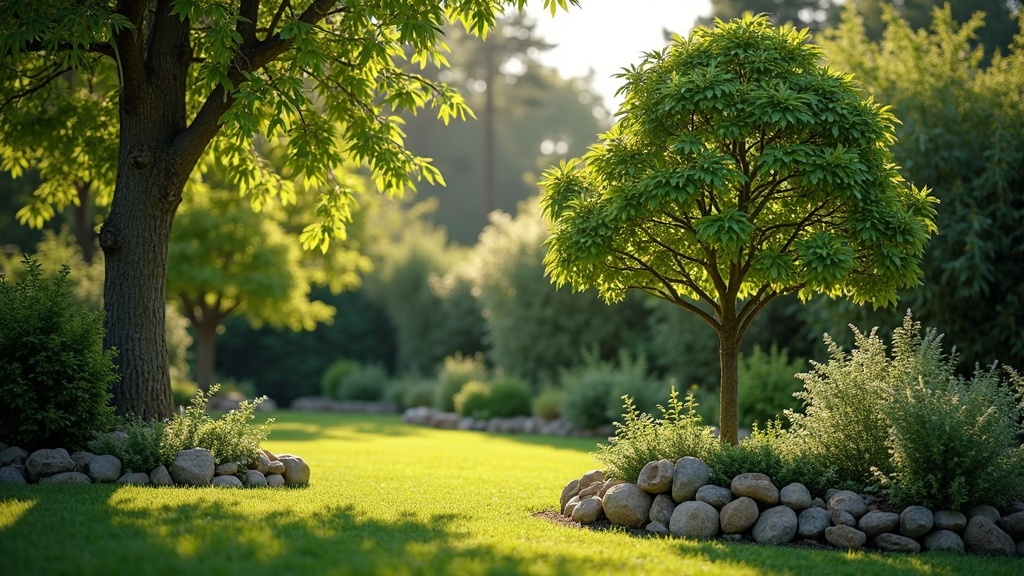
Learn how to start ornamental trees gardening for beginners with this practical guide covering tree selection, planting, watering, and long-term care to create a beautiful landscape.
Table of Contents
- Choosing the Right Ornamental Trees
- Planting Your Ornamental Trees Correctly
- Watering and Early Care Essentials
- Ongoing Maintenance and Troubleshooting
- Frequently Asked Questions
- Comparison of Popular Beginner Trees
- Practical Tips for Success
- Final Thoughts on Ornamental Trees Gardening for Beginners
Ornamental trees gardening for beginners is about selecting low-maintenance species matched to your site conditions, planting correctly, and providing consistent water during the first two growing seasons. This approach ensures healthy, beautiful trees with minimal frustration.
- In 2023, 55 percent of U.S. households participated in lawn and garden activities, including planting ornamental trees (U.S. Census Bureau, 2024)[1].
- Spending on lawn and garden supplies, which includes ornamental trees and shrubs, reached 68.3 billion dollars in the United States in 2023 (U.S. Bureau of Economic Analysis, 2024)[2].
- Small ornamental trees suitable for beginners are commonly defined by horticultural agencies as trees that reach no more than 25 feet in height at maturity (University of Maryland Extension, 2024)[3].
- Urban forestry research indicates that appropriately placed ornamental trees can increase residential property values by an average of 3 to 5 percent (USDA Forest Service, 2024)[4].
Introduction
Ornamental trees gardening for beginners offers one of the most rewarding ways to enhance your outdoor space. These trees provide flowers, colorful foliage, interesting bark, and structure that changes with the seasons. The National Gardening Association editorial team notes that “ornamental trees are an excellent choice for beginning gardeners, since many are relatively undemanding and provide multi-season interest with flowers, foliage, and bark” (National Gardening Association, 2026)[5]. This guide covers the essential steps to get started successfully, from choosing the right tree to long-term care.
Choosing the Right Ornamental Trees
Selecting a tree is the most important decision in ornamental trees gardening for beginners. The University of Minnesota Extension horticulture educators advise that “beginners are often most successful with ornamental trees if they focus on matching the tree to their site conditions rather than trying to force a favorite species into an unsuitable location” (University of Minnesota Extension, 2026)[6]. Start by evaluating your yard’s sunlight, soil type, and available space.
Sunlight and Soil Requirements
Most ornamental trees thrive in full sun, meaning at least six hours of direct sunlight daily. Check your soil drainage by digging a small hole and filling it with water; if it drains within a few hours, you have good drainage. If water pools for a day or longer, consider amending the soil or choosing a tree that tolerates wet conditions.
Size Considerations for Beginners
Small ornamental trees that reach no more than 25 feet at maturity are ideal for new gardeners. The Royal Horticultural Society Advice team states that “for new gardeners, small ornamental trees are often the easiest way to add height and structure to a garden without creating long-term maintenance problems” (Royal Horticultural Society, 2026)[7]. Popular beginner-friendly options include Japanese maples, dogwoods, redbuds, and crabapples.
Climate Hardiness
Choose a tree rated for your USDA hardiness zone. Local nurseries stock trees suited to your region, making them a reliable source. Avoid purchasing trees that are marginally hardy in your area, as they may struggle to survive winter or summer extremes.
Planting Your Ornamental Trees Correctly
Proper planting sets the foundation for a healthy tree. A commonly recommended planting hole size for ornamental trees is at least 2 times the width of the root ball while keeping the depth equal to the root ball height (Penn State Extension, 2025)[8]. Digging a wide hole encourages roots to spread outward rather than circling the root ball.
Step-by-Step Planting Process
Remove the tree from its container and gently loosen any circling roots. Place the tree in the hole so the top of the root ball is level with or slightly above the surrounding soil. Backfill with the original soil, not amended soil, to encourage roots to venture beyond the planting hole. Water thoroughly after planting to settle the soil.
Mulching for Success
A three-foot radius of grass-free mulch around the base of a newly planted ornamental tree is recommended as a minimum to reduce competition and improve establishment (Missouri Botanical Garden, 2025)[9]. Use organic mulch like wood chips or bark, keeping it a few inches away from the trunk to prevent rot.
Spacing from Structures
For beginners planting ornamental trees near buildings, arboriculture guidelines advise keeping trees with mature heights under 25 feet at least 10 feet away from foundations to avoid root conflicts (International Society of Arboriculture, 2025)[10]. This prevents future damage to sidewalks, foundations, and underground utilities.
Watering and Early Care Essentials
Consistent watering is critical during the first two growing seasons. The Royal Horticultural Society Plant Health team emphasizes that “for novice gardeners, the single most important thing you can do to keep ornamental trees healthy is to water thoroughly during the first couple of growing seasons while the root system is establishing” (Royal Horticultural Society, 2026)[11].
Watering Schedule for New Trees
Beginners are advised by university extension guidelines to water newly planted ornamental trees every 1-2 days for the first 2 weeks, then every 2-3 days for the next 3-12 weeks until roots establish (University of Wisconsin-Madison Division of Extension, 2025)[12]. After the first season, reduce watering to once a week during dry periods. Water deeply to encourage deep root growth rather than frequent shallow sprinkling.
Fertilizing Young Trees
University extension guidance suggests that most ornamental trees benefit from one annual application of balanced fertilizer in early spring (Iowa State University Extension and Outreach, 2025)[13]. Avoid over-fertilizing, which can produce weak, leggy growth. A slow-release granular fertilizer with an N-P-K ratio like 10-10-10 works well for most species.
Staking and Protection
Most small ornamental trees do not require staking if planted correctly. If you live in a windy area, use two stakes with flexible ties for the first year. Remove stakes after one growing season to prevent the trunk from becoming dependent on support. Protect the trunk from lawnmowers and string trimmers with a mulch ring.
Ongoing Maintenance and Troubleshooting
Ornamental trees gardening for beginners becomes easier once trees are established. Regular inspection for pests, diseases, and structural issues keeps trees healthy. Japanese maples are a standout choice; landscape designer Jim Putnam notes that “if you’re just getting started in ornamental gardening, Japanese maples are one of the most rewarding small trees you can grow because they look good twelve months of the year and don’t demand constant pruning” (HortTube, 2026)[14].
Pruning Basics
Prune ornamental trees in late winter or early spring while they are dormant. Remove dead, damaged, or crossing branches first. For flowering trees like dogwoods and crabapples, prune immediately after flowering to avoid removing next year’s flower buds. Limit pruning to removing no more than 25 percent of the canopy in a single year.
Common Pests and Diseases
Watch for aphids, scale insects, and powdery mildew. Most infestations are cosmetic and do not require chemical treatment. Encourage beneficial insects like ladybugs by planting flowers nearby. If a disease becomes severe, consult your local extension office for region-specific recommendations.
Seasonal Care
Water deeply before the ground freezes in autumn to help trees survive winter. Apply a fresh layer of mulch in late fall to insulate roots. In spring, remove any winter-damaged branches and apply fertilizer if needed.
Important Questions About Ornamental Trees Gardening for Beginners
What is the easiest ornamental tree to grow for a beginner?
Japanese maples, dogwoods, and crabapples are among the easiest ornamental trees for beginners. Japanese maples are particularly forgiving because they tolerate partial shade and require minimal pruning. Dogwoods offer stunning spring flowers and fall color. Crabapples are extremely hardy and produce beautiful blossoms followed by small fruits that attract birds. All three species stay under 25 feet at maturity, making them manageable for small yards.
How often should I water a newly planted ornamental tree?
Water newly planted ornamental trees every 1-2 days for the first 2 weeks, then every 2-3 days for the next 3-12 weeks. After the first growing season, water deeply once a week during dry periods. Always check the soil moisture by feeling an inch below the surface; if it feels dry, it is time to water. Overwatering can be as harmful as underwatering, so ensure the soil drains well.
Can I plant an ornamental tree close to my house?
Yes, but maintain a minimum distance of 10 feet from your foundation for trees that reach under 25 feet at maturity. This prevents root damage to foundations and sidewalks. Also consider the tree’s mature canopy spread; branches should not touch the house. For very small ornamental trees like some Japanese maple cultivars, 6-8 feet may be sufficient, but always check the specific mature size of your chosen tree.
Do ornamental trees need fertilizer every year?
Most ornamental trees benefit from one annual application of balanced fertilizer in early spring. However, over-fertilizing can cause weak growth and reduce flowering. If your tree is growing well and producing healthy leaves and flowers, you may skip fertilizer for a year. A soil test every 2-3 years will tell you exactly what nutrients your tree needs. Young trees benefit more from consistent watering than from heavy feeding.
Comparison of Popular Beginner Ornamental Trees
Choosing between species is easier when you compare their key characteristics. The table below summarizes four excellent choices for ornamental trees gardening for beginners.
| Tree Species | Mature Height | Sunlight Needs | Bloom Season | Fall Color | Maintenance Level |
|---|---|---|---|---|---|
| Japanese Maple | 10-20 ft | Partial shade | Spring (flowers are small) | Brilliant red/orange | Low |
| Dogwood | 15-25 ft | Partial sun | Spring | Red-purple | Low to moderate |
| Redbud | 15-25 ft | Full sun to partial shade | Early spring | Yellow | Low |
| Crabapple | 10-20 ft | Full sun | Spring | Yellow-orange | Low |
Practical Tips for Success
Follow these actionable tips to ensure your ornamental trees thrive:
- Start with a site assessment: Test your soil pH and drainage before buying a tree. Most ornamental trees prefer slightly acidic soil (pH 6.0-7.0).
- Buy from local nurseries: Trees grown in your region are already adapted to local climate conditions. Avoid big-box stores that may sell trees unsuited to your area.
- Water deeply, not frequently: Deep watering encourages roots to grow downward, making trees more drought-tolerant. A slow drip for 30-60 minutes is better than a quick sprinkle.
- Mulch correctly: Apply 2-3 inches of organic mulch in a ring at least 3 feet wide, but keep it 2-3 inches away from the trunk to prevent rot and pest problems.
- Be patient with growth: Ornamental trees often take 2-3 years to establish fully. Do not expect dramatic growth in the first season. Focus on root development rather than top growth.
For more about Best ai courses for beginners, see find best ai courses for beginners resources.
Final Thoughts on Ornamental Trees Gardening for Beginners
Ornamental trees gardening for beginners is a fulfilling journey that adds beauty, shade, and value to your property. By selecting the right tree for your site, planting correctly, and providing consistent care during the first two years, you set the stage for decades of enjoyment. Start with a small, low-maintenance species like a Japanese maple or dogwood, and watch your landscape transform.
Further Reading
- Household Participation in Lawn and Garden Activities. U.S. Census Bureau.
https://www.census.gov/library/stories/2024/05/lawn-and-garden-activities-households.html - Personal Consumption Expenditures by Type of Product. U.S. Bureau of Economic Analysis.
https://www.bea.gov/data/consumer-spending/personal-consumption-expenditures - Ornamental Trees for the Home Landscape. University of Maryland Extension.
https://extension.umd.edu/resource/ornamental-trees-home-landscape - Urban Trees and Property Value. USDA Forest Service.
https://www.fs.usda.gov/urban-forestry/benefits/property-values - Choosing Ornamental Trees for the Home Landscape. National Gardening Association.
https://garden.org/learn/articles/view/ornamental-trees-home-landscape - Selecting Trees and Shrubs for the Home Landscape. University of Minnesota Extension.
https://extension.umn.edu/trees-and-shrubs/selecting-trees-and-shrubs-home-landscape - Small Ornamental Trees for Gardens. Royal Horticultural Society.
https://www.rhs.org.uk/plants/types/trees/small-ornamental-trees - Planting Ornamental Trees and Shrubs. Penn State Extension.
https://extension.psu.edu/planting-ornamental-trees-and-shrubs - Tree Planting and Mulching Tips. Missouri Botanical Garden.
https://www.missouribotanicalgarden.org/gardens-gardening/gardening-in-st-louis/tree-planting-and-mulching - Planting Trees Near Buildings. International Society of Arboriculture.
https://www.treesaregood.org/resources/planting-trees-near-buildings - Tree Care: Watering and Feeding. Royal Horticultural Society.
https://www.rhs.org.uk/garden-jobs/how-to-water-and-feed-trees - Watering Newly Planted Trees and Shrubs. University of Wisconsin-Madison Division of Extension.
https://hort.extension.wisc.edu/articles/watering-newly-planted-trees-and-shrubs/ - Fertilizing Trees and Shrubs in the Home Landscape. Iowa State University Extension and Outreach.
https://hortnews.extension.iastate.edu/fertilizing-trees-and-shrubs-home-landscape - 10 Trees I’ll ALWAYS Use After 25 Years of Landscaping. HortTube.
https://www.youtube.com/watch?v=3eeWDCC3Sck