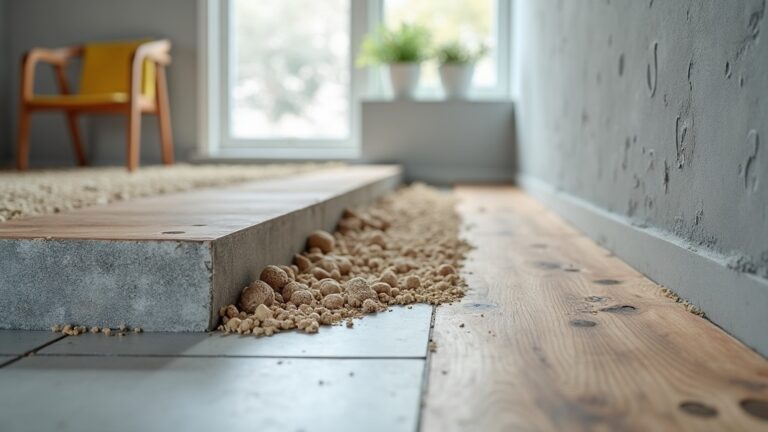
Discover how backfill sand is used in mining and tunneling infrastructure. Learn about material specifications, seismic stability, and compaction methods.
Table of Contents
- Article Snapshot
- By the Numbers
- Introduction
- Material Specifications and Quality Control
- Seismic Performance and Soil Stabilization
- Compaction Techniques and Equipment Market
- Applications in Mining and Tunneling Infrastructure
- What People Are Asking
- Comparing Backfill Materials
- Practical Tips for Site Engineers
- Wrapping Up
- Sources & Citations
Article Snapshot
Backfill sand is a granular material used to fill excavated trenches, voids, and mined-out areas to provide structural support and prevent ground subsidence. Proper selection ensures optimal drainage, load-bearing capacity, and long-term stability for heavy civil and underground mining infrastructure projects.
By the Numbers
- The global backfill sand rammer market size was valued at 1.5 billion dollars in 2023 (Dataintelo, 2024)[3].
- The market is projected to reach 2.8 billion dollars by 2032, growing at a CAGR of 7.0 percent (Dataintelo, 2024)[3].
- The minimum sand equivalent value specified for trench material in utility standards is 20 or greater (Pacific Gas and Electric Company, 2024)[1].
- Polymer surface-active substance treatment increased the cyclic resistance ratio of the material by approximately 30 percent under seismic loading (Journal of Soil Dynamics and Earthquake Engineering, 2025)[2].
Introduction
Backfill sand plays a foundational role in modern civil engineering, mining, and tunneling operations. When excavations are completed, the resulting voids must be filled with materials that restore ground integrity and support surface or subsurface structures. This granular medium is favored for its excellent drainage properties, ease of compaction, and predictable load-bearing characteristics. However, not all granular fills are created equal. Engineers must carefully evaluate particle size distribution, chemical composition, and mechanical behavior to ensure long-term performance. In underground mining and deep tunneling, the stakes are even higher, as poor ground support can lead to catastrophic subsidence. This article examines the critical material specifications, seismic stabilization techniques, compaction equipment trends, and specialized grouting applications that define modern ground support strategies. By understanding these core principles, site engineers and project managers can optimize their ground reinforcement methodologies for maximum safety and efficiency.
Material Specifications and Quality Control
Strict material specifications govern the selection and deployment of granular fills to prevent chemical degradation and physical failure of buried infrastructure. Utility and civil engineering standards mandate rigorous testing to ensure the granular medium does not introduce corrosive elements to buried pipes, cables, or structural supports. For instance, utility engineering standards dictate that “Backfill sand used in utility trenches shall be free of constituents that could cause adverse environmental impact and must meet strict limits for chlorides, sulfates, and resistivity to protect buried infrastructure” (Pacific Gas and Electric Company Engineering Standards Group, 2024)[1].
Chemical properties are just as critical as physical ones. The acceptable pH range for trench applications is typically maintained between 4.5 and 9 to prevent acidic or alkaline corrosion of metallic and concrete assets. Furthermore, electrical resistivity is closely monitored. The minimum electrical resistivity specified is often set at 5,000 ohm-centimeters; if the resistivity falls below this threshold, total chloride content must be restricted to 500 parts per million or less to mitigate electrochemical corrosion risks (Pacific Gas and Electric Company, 2024)[1]. Similarly, total sulfate content must be capped at 150 parts per million in low-resistivity conditions.
Physical gradation and cleanliness are equally vital. The minimum sand equivalent value, which measures the relative proportions of clay, silt, and dust, is frequently set at 20 or greater. This ensures that the fines content remains low enough to maintain permeability and prevent frost heave or liquefaction. Regarding structural integrity, standards dictate that “When backfill material is compacted to a relative compaction of 95 percent or greater, as determined by ASTM D-1557, the material shall not slough when cross trenched” (Pacific Gas and Electric Company Engineering Standards Group, 2024)[1]. Adhering to these stringent quality control parameters ensures that the granular fill performs reliably over decades of service.
Seismic Performance and Soil Stabilization
Enhancing the seismic resilience of granular fills is a primary focus of contemporary geotechnical research, particularly in regions prone to earthquake-induced liquefaction. During seismic events, saturated, loose granular soils can lose their shear strength and behave like a liquid, leading to catastrophic structural failures. To mitigate this risk, geotechnical engineers employ various soil stabilization techniques, including the application of chemical additives and polymer treatments.
Recent experimental testing has demonstrated the efficacy of polymer surface-active substances (PSAS) in improving the dynamic properties of the granular matrix. According to Yousef A. Alshibli, Professor of Civil and Environmental Engineering at the University of Tennessee, “Polymer surface-active substances significantly improved the liquefaction resistance of backfill sand, which is critical for the seismic performance of infrastructure in sandy soils” (Alshibli, 2025)[2]. The treatment alters the surface tension and inter-particle friction, effectively binding the grains together without completely occluding the void spaces required for drainage.
The mechanical benefits of this treatment are substantial under dynamic loading. In controlled laboratory environments, PSAS treatment increased the cyclic resistance ratio of the material by approximately 30 percent compared to untreated samples under seismic loading conditions (Journal of Soil Dynamics and Earthquake Engineering, 2025)[2]. Alshibli further notes that the “PSAS-treated backfill sand maintained a high shear strength and low compressibility under both normal and cyclic loading, indicating its suitability for use in earthquake-prone regions” (Alshibli, 2025)[2]. For engineers seeking broader context on ground failure mechanisms, the United States Geological Survey liquefaction guidelines provide comprehensive frameworks for assessing site-specific seismic vulnerabilities. By integrating advanced polymer treatments with rigorous site characterization, engineers can dramatically reduce the likelihood of seismic-induced ground failure.
Compaction Techniques and Equipment Market
Achieving the required density and load-bearing capacity relies heavily on advanced compaction techniques and specialized mechanical equipment. Proper compaction reduces void ratios, increases shear strength, and minimizes post-construction settlement. The selection of compaction equipment – ranging from vibratory plate compactors to heavy-duty trench rammers – depends on the trench width, lift thickness, and specific grain size distribution of the fill material.
The demand for high-performance compaction machinery has driven significant growth in the equipment manufacturing sector. The global backfill sand rammer market size was valued at 1.5 billion dollars in 2023 and is projected to reach 2.8 billion dollars by 2032 (Dataintelo, 2024)[3]. This expansion reflects a broader industry shift toward mechanized, high-quality ground preparation. The market is forecast to grow at a compound annual growth rate of 7.0 percent from 2025 to 2032, driven by stringent infrastructure codes and the need for long-term subsurface stability (Dataintelo, 2024)[3].
Regional and sector-specific trends also highlight the importance of these tools. In the United States, benchtop rammers are expected to grow at an estimated CAGR of 7.5 percent over the forecast period, with manufacturing and precast concrete industries accounting for roughly 20 percent of this specific equipment usage (Datainsights Market Research, 2024)[4]. The Dataintelo Research Team emphasizes that “Demand for backfill sand rammers is rising as construction and infrastructure projects increasingly prioritize high-quality compaction of backfill sand to ensure long-term stability and performance” (Dataintelo Research Team, 2024)[3]. Modern rammers now feature ergonomic designs, reduced vibration transmission, and automated density monitoring, allowing operators to achieve the mandated 95 percent relative compaction more efficiently and safely across diverse job site conditions.
Applications in Mining and Tunneling Infrastructure
In subterranean environments, granular fills serve as a critical component of comprehensive ground support and void management systems. Unlike surface trenching, underground mining and tunneling operations require fill materials that can be transported through narrow shafts, placed in irregularly shaped voids, and consolidated to support immense overburden pressures. The granular medium is often used in conjunction with cementitious binders to create a solidified mass that prevents roof falls and wall convergence.
The integration of granular materials with injection techniques is a cornerstone of modern subterranean engineering. When loose granular fills are placed in mined-out stopes or behind tunnel linings, they often leave residual voids that can lead to localized stress concentrations. To address this, engineers employ specialized injection methods to penetrate and bind the granular matrix. For projects requiring advanced subsurface stabilization, exploring specialized backfill grouting in mining applications reveals how cementitious slurries are injected under pressure to fill interstitial voids, effectively transforming loose granular deposits into a cohesive, load-bearing structural element.
This hybrid approach maximizes the economic benefits of using inexpensive, locally sourced granular materials while achieving the structural performance of solid concrete. The grout penetrates the pore spaces, coating the grains and creating a rigid skeleton that resists compressive and shear forces. In deep tunneling projects, this technique is frequently used to seal the annular void between the excavated ground and the precast concrete segmental lining, ensuring uniform load transfer and preventing groundwater ingress. By combining high-quality granular fills with precision injection technologies, mining and tunneling engineers can maintain rigorous safety standards while optimizing material costs and operational efficiency in challenging subterranean environments.
What People Are Asking
What is the primary purpose of using backfill sand in utility trenches?
The primary purpose is to provide a stable, uniform, and protective bedding for buried utilities such as pipes and cables. It offers excellent drainage, preventing water accumulation that could lead to frost heave or soil erosion. Furthermore, its predictable compaction characteristics ensure that the trench surface remains level and stable over time, reducing the risk of surface subsidence and protecting the structural integrity of the buried infrastructure from uneven point loads.
How do engineers test the chemical suitability of backfill sand for buried metallic pipes?
Engineers conduct laboratory tests to measure the material’s pH level, electrical resistivity, and concentrations of corrosive ions like chlorides and sulfates. A neutral pH and high electrical resistivity indicate a low risk of electrochemical corrosion. If the resistivity is low, strict limits are placed on chloride and sulfate content to ensure the granular fill will not accelerate the degradation of metallic pipes or reinforced concrete structures buried within the trench.
Why is compaction equipment so critical for granular fill performance?
Proper compaction eliminates excess air voids and increases the density of the granular matrix, which directly enhances its shear strength and load-bearing capacity. Without adequate mechanical compaction, the material will naturally settle over time under the weight of surface traffic or structural loads, leading to dangerous subsidence. Specialized rammers and vibratory plates ensure the material reaches the required relative compaction percentage specified by engineering codes.
Can backfill sand be used in earthquake-prone regions without treatment?
Using untreated, loose, and saturated granular fills in seismic zones carries a high risk of liquefaction, where the soil temporarily loses its strength and behaves like a liquid during an earthquake. To mitigate this, geotechnical engineers often treat the material with polymer surface-active substances or other chemical stabilizers. These treatments increase the cyclic resistance ratio and inter-particle friction, allowing the fill to maintain its shear strength and structural integrity during seismic events.
Comparing Backfill Materials
Selecting the appropriate fill material requires balancing structural requirements, drainage needs, and project budgets. While granular fills are highly versatile, they are often compared against alternative materials depending on the specific engineering constraints of the site.
| Material | Drainage | Compaction Effort | Cost | Best Application |
|---|---|---|---|---|
| Backfill Sand | High | Moderate | Low | Utility trenches, bedding |
| Crushed Aggregate | Very High | High | Moderate | Heavy load-bearing bases |
| Flowable Fill (CLSM) | Low | None (self-leveling) | High | Confined spaces, deep voids |
| Native Clay | Poor | High | Very Low | Impermeable caps, seals |
Practical Tips for Site Engineers
Implementing best practices on the job site ensures that the theoretical performance of the granular fill translates into long-term field success. First, always verify the moisture content before compaction; granular materials achieve maximum density at their optimum moisture content, and attempting to compact overly dry or saturated material will result in failed density tests. Second, strictly adhere to lift thickness limits. Placing the material in layers that are too thick prevents the compaction energy from reaching the bottom of the lift, creating weak slip planes within the trench.
For site managers overseeing complex civil or subterranean projects, maintaining detailed documentation of material certifications and daily compaction logs is essential for liability and quality assurance. If you are coordinating broader site preparations, reviewing our hello world introductory post provides context on our core engineering focuses. Additionally, navigating through our category/uncategorized archive can help you locate supplementary technical bulletins regarding cementitious binders and subterranean ground support methodologies. Finally, ensure that all testing equipment, such as nuclear density gauges, is properly calibrated and that field technicians are certified to perform ASTM standard tests.
Wrapping Up
The successful deployment of backfill sand relies on a meticulous approach to material selection, chemical testing, and mechanical compaction. Whether stabilizing utility trenches on the surface or reinforcing mined-out voids deep underground, the structural integrity of the granular matrix is paramount. By adhering to strict engineering specifications and leveraging modern stabilization techniques, project teams can prevent subsidence and protect critical infrastructure. To dive deeper into cementitious injection methods and ground reinforcement strategies, explore our technical resources on cementitious grouting.
Sources & Citations
- Backfill Sand Specification 4123. Pacific Gas and Electric Company.
https://www.scribd.com/document/45403849/Guideline-Ems-Back-Fills-And - Normal and seismic performance of backfill sand enhanced with polymer surface-active substances. Journal of Soil Dynamics and Earthquake Engineering.
https://www.sciencedirect.com/science/article/pii/S0038080625000897 - Backfill Sand Rammer Market Report | Global Forecast From 2025 to 2032. Dataintelo.
https://dataintelo.com/report/backfill-sand-rammer-market - United States Benchtop Backfill Sand Rammer Market. Datainsights Market Research.
https://www.datainsightsmarket.com/reports/benchtop-backfill-sand-rammer-1578022