Discover our complete colloidalgroutplants guide covering high-shear mixers, discharge pressures, and essential best practices for deep foundation construction projects right now.
Table of Contents
- The Mechanics of High-Shear Mixing
- System Integration and Component Sizing
- Performance Metrics and Structural Benefits
- High-Pressure Pumping for Deep Foundations
- Your Most Common Questions
- Equipment Comparison
- Practical Tips
- The Bottom Line
Quick Summary
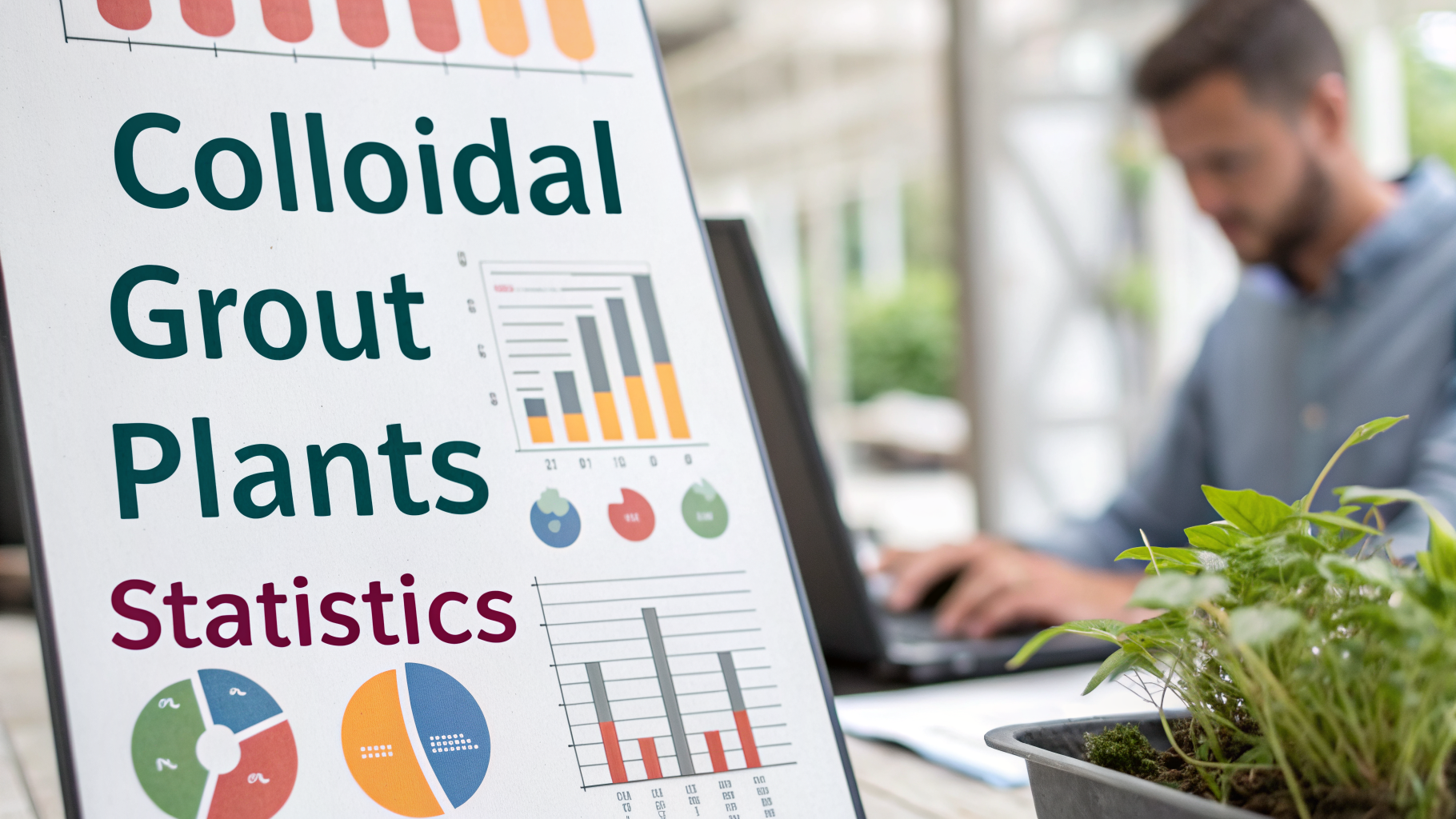
The colloidalgroutplants guide is a comprehensive resource detailing the selection and operation of high-shear mixing equipment for construction. This quick summary highlights how these systems integrate mixers, holding tanks, and pumps to produce uniform cement-based grout, ensuring optimal compressive strength and minimal bleed water for deep foundation applications.
Market Snapshot
- Colloidal mixer based cemented rockfill achieved compressive strength gains of up to 25 percent compared with conventional paddle-mixed CRF (Simem Underground, 2024)[1].
- High-shear colloidal grout mixer operates the mixing rotor at peripheral speeds exceeding 20 meters per second (Amix Systems, 2024)[2].
- High-shear colloidal mixer technology can reduce grout bleed water to below 2 percent in properly proportioned neat cement mixes (Penndrill Manufacturing, 2025)[3].
- High-pressure grout pumps in colloidal grout plants can reach working pressures up to 3,000 PSI for deep foundation grouting (Intech Anchoring Systems, 2024)[4].
The colloidalgroutplants guide provides critical insights for contractors navigating the complexities of modern grouting operations. In heavy construction, tunneling, and deep foundation work, delivering a highly uniform grout with minimal bleed is essential for long-term structural performance. Conventional paddle or ribbon mixers often fall short, leaving cement particles poorly dispersed. This is where high-shear colloidal mixers prove their value, creating a fully dispersed, stable suspension. This article explores the core mechanics of these systems, examining how the mixer, holding tank, and pump function as an integrated unit. We will also review performance metrics, compare different equipment configurations, and share practical tips for optimizing your grouting process on the job site.
The Mechanics of High-Shear Mixing
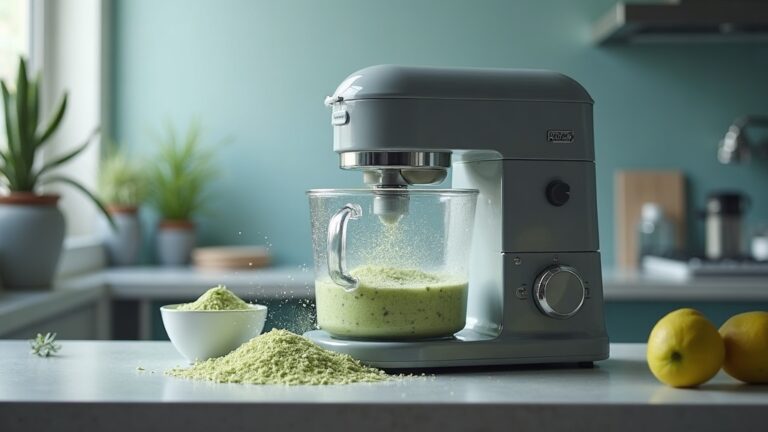
The fundamental advantage of a colloidal grout plant lies in its high-shear mixing rotor, which generates intense hydraulic forces to fully disperse cement particles. Unlike traditional batch mixers that rely on simple agitation, a high-shear mixer utilizes a specialized rotor and stator configuration. This design accelerates the slurry to extreme velocities, creating a powerful vortex that breaks apart particle agglomerations.
According to industry data, the mixing rotor in these systems operates at peripheral speeds exceeding 20 meters per second to generate the necessary vortex and shear for full cement particle dispersion (Amix Systems, 2024)[2]. This intense mechanical action ensures that every cement grain is individually wetted, which is critical when working with neat cement or dense bentonite slurry.
Bill Brumley, President of Amix Systems Ltd., emphasizes this mechanical superiority, noting that “High-shear colloidal mixers are generally recognized as the most efficient method of mixing cement-based grouts because they produce a fully dispersed, uniform, and stable suspension” (Amix Systems, 2024)[2]. By achieving this level of homogeneity, contractors can prevent weak spots in the cured material, ensuring the structural integrity of the entire installation.
System Integration and Component Sizing
Selecting the right equipment requires viewing the entire grouting process as a single, integrated system rather than a collection of isolated parts. A common mistake in heavy construction is mismatching the mixer output with the pump capacity, leading to bottlenecks or material segregation. The mixer, holding tank, and plunger pump must be perfectly synchronized to maintain continuous grouting operations without interruption.
Ken Segall, Technical Director at ChemGrout Inc., explains this holistic approach, stating that “When you select a colloidal grout plant, you’re really designing the entire grouting process: the mixer, the holding tank, the pump and the power system” (ChemGrout, 2024)[5]. For instance, typical configurations with dual 70-gallon mixing tanks provide a total of 140 gallons of available mixing capacity, ensuring a steady supply of material to the pump.
Proper sizing also extends to the power system and discharge piping. Friction losses in long hose runs can significantly reduce flow rates, meaning the pump must be sized to overcome these resistances while maintaining the target pressure. For more context on equipment configurations, you can review our detailed sample page on site setup and component selection.
Performance Metrics and Structural Benefits
The true value of these systems becomes evident when measuring the structural benefits and performance metrics of the final cured material. When a guide to colloidal grout plants highlights performance, it usually focuses on two critical factors: compressive strength and bleed water reduction. Both of these metrics directly influence the load transfer and long-term durability of soil nails and anchors.
High-shear colloidal mixer technology can reduce grout bleed water to below 2 percent in properly proportioned neat cement mixes (Penndrill Manufacturing, 2025)[3]. Minimizing bleed water prevents the formation of voids and weak channels within the grout column. Robert Klimas, Founder of Penndrill Manufacturing, points out that “The value of a colloidal grout plant is in its ability to consistently deliver a highly uniform grout with minimal bleed, which directly translates to better structural outcomes” (Penndrill Manufacturing, 2025)[3].
Furthermore, colloidal mixer based cemented rockfill achieved compressive strength gains of up to 25 percent compared with conventional paddle-mixed CRF (Simem Underground, 2024)[1]. These systems can handle cement contents in excess of 400 kilograms per cubic meter while maintaining pumpable viscosity, making them indispensable for demanding underground and foundation applications.
High-Pressure Pumping for Deep Foundations
Modern deep foundation and micropile projects demand high-pressure pumping capabilities to deliver grout over long distances and through small-diameter casing. The colloidal grouting plant guide emphasizes that the pump is just as critical as the mixer in achieving project success. Plunger pumps are typically favored for these applications due to their ability to generate immense discharge pressure while handling abrasive cementitious materials.
High-pressure grout pumps in colloidal grout plants can reach working pressures up to 3,000 PSI for deep foundation grouting (Intech Anchoring Systems, 2024)[4]. This extreme pressure is necessary to fracture the surrounding soil or rock, creating a bulbous grout body that significantly increases the pull-out capacity of helical pile projects. For large-volume micropile installations, some systems are designed to continuously mix and pump at rates up to 100 gallons per minute.
Contractors must also adhere to strict engineering standards when executing these high-pressure injections. Consulting the federal highway administration structural guidelines ensures that the grouting pressures and volumes align with national bridge and foundation safety requirements. Proper pressure monitoring prevents ground heave and ensures the grout penetrates the target strata effectively.
Your Most Common Questions
What is the main difference between a colloidal mixer and a paddle mixer?
A colloidal mixer uses a high-speed rotor and stator to generate intense shear forces, completely dispersing cement particles into a stable suspension. In contrast, a conventional paddle mixer relies on simple agitation, which often leaves particle agglomerations intact and results in a less uniform, weaker grout structure.
How does high-shear mixing affect grout bleed water?
High-shear mixing drastically reduces bleed water by ensuring every cement grain is fully wetted and dispersed. This prevents the water from separating and rising to the top of the grout column. Properly proportioned neat cement mixes processed through these systems can achieve bleed water levels below two percent.
Can colloidal grout plants handle high solids content?
Yes, these plants are specifically designed to handle high solids content while maintaining a pumpable viscosity. Testing has shown that colloidal mixer based systems can successfully process cement contents exceeding 400 kilograms per cubic meter, making them highly effective for cemented rockfill and dense grouting applications.
What pump pressures are required for deep foundation grouting?
Deep foundation grouting often requires immense pressure to inject grout through small-diameter casings and fracture surrounding soil or rock. High-pressure plunger pumps in modern colloidal grout plants can reach working pressures up to 3,000 PSI, providing the necessary force for micropile and deep soil nail installations.
Equipment Comparison
Choosing the right mixing technology depends on the specific project requirements, material types, and structural demands. While conventional mixers are still used for simple, low-specification tasks, the colloidalgroutplants guide demonstrates that high-shear systems are mandatory for critical structural work. The table below outlines the primary differences between these two approaches.
| Feature | High-Shear Colloidal Mixer | Conventional Paddle Mixer |
|---|---|---|
| Particle Dispersion | Complete, uniform suspension | Partial, prone to agglomeration |
| Bleed Water | Less than 2 percent | High, often exceeding 5 percent |
| Compressive Strength | Up to 25 percent higher | Standard baseline strength |
| Best Application | Deep foundations, micropiles, CRF | Trench backfill, non-structural void fill |
Practical Tips
Optimizing your grouting operations requires attention to detail and proactive equipment management. First, always calibrate your water meter and cement silo scales before starting a pour. Accurate proportioning is the foundation of a successful mix design, and even minor deviations can drastically alter the bleed water and compressive strength of the final product.
Second, monitor the discharge pressure continuously during pumping. A sudden spike in pressure often indicates a blockage in the hose or casing, while a drop might suggest a leak or pump cavitation. Installing inline pressure transducers provides real-time data to the operator, allowing for immediate adjustments to the pump stroke rate.
Finally, maintain a strict cleaning schedule for the mixing rotor and stator. Cementitious materials can cure rapidly in the tight tolerances of a high-shear mixer, reducing efficiency and causing motor strain. Flush the entire system with clean water immediately after use. For general site announcements and maintenance alerts, you can always refer to our hello world post.
The Bottom Line
Investing in the right equipment transforms the reliability and structural integrity of your foundation projects. This colloidalgroutplants guide has highlighted how high-shear mixing technology, integrated system sizing, and high-pressure pumping work together to deliver superior results. By minimizing bleed water and maximizing compressive strength, contractors can ensure long-term performance in even the most demanding ground conditions. Explore more advanced grouting techniques and equipment reviews on concretegrout.com to keep your operations at the forefront of the industry.
Useful Resources
- The Development of Colloidal Mixer Based CRF Systems. Simem Underground.
https://simemug.com/wp-content/uploads/Development-of-Colloidal-Mixer-Based-CRF-Systems.pdf - High Shear Plant Guide for Mining & Tunneling. Amix Systems.
https://amixsystems.com/high-shear-plant/ - What is High Shear Colloidal Mixer Technology? Penndrill Manufacturing.
https://penndrill.com/what-is-high-shear-colloidal-mixer-technology/ - Equipment Rental & Sales: Grout Plants. Intech Anchoring Systems.
https://intechanchoring.com/equipment-rental-sales/grout-plants/ - ChemGrout Grout Plant Selection Guide. ChemGrout Inc.
https://www.chemgrout.com
For more about Colloidalgroutplants guide, see Colloidalgroutplants Guide.