Read this essential colloidalgroutmixer guide for construction. Learn about high-shear mixing, equipment selection, and best practices for stable cement grouts.
Table of Contents
- The Mechanics of High-Shear Mixing
- Performance Benefits in Geotechnical Applications
- Equipment Selection and colloidalgroutmixer guide Insights
- Operational Best Practices and Maintenance
- Questions from Our Readers
- Comparing Mixing Technologies
- Practical Tips for Optimal Slurry Mixing
- Before You Go
Article Snapshot

The colloidalgroutmixer guide is an instructional framework that explains the mechanics, selection, and application of high-shear mixing equipment for cement-based slurries. This overview covers rotor-stator technology, slurry stability, and practical implementations in geotechnical engineering to ensure optimal ground improvement and foundation repair outcomes.
Quick Stats: colloidalgroutmixer guide
The colloidalgroutmixer guide provides essential insights for professionals working with cement-water slurry in construction and mining. When standard blending falls short, high-shear mixing becomes critical for breaking up particle agglomerates and achieving uniform consistency. This article explores the mechanical principles behind these machines, highlighting how intense shear energy transforms basic ingredients into highly stable grout. We will examine the core components of rotor-stator mills, evaluate performance characteristics like washout resistance, and outline best practices for equipment selection. Whether you are involved in foundation repair or large-scale ground improvement, understanding these systems ensures your grout injection projects succeed. By the end of this read, you will know exactly how to optimize your slurry mixing processes for long-distance pumping and superior structural integrity.
The Mechanics of High-Shear Mixing
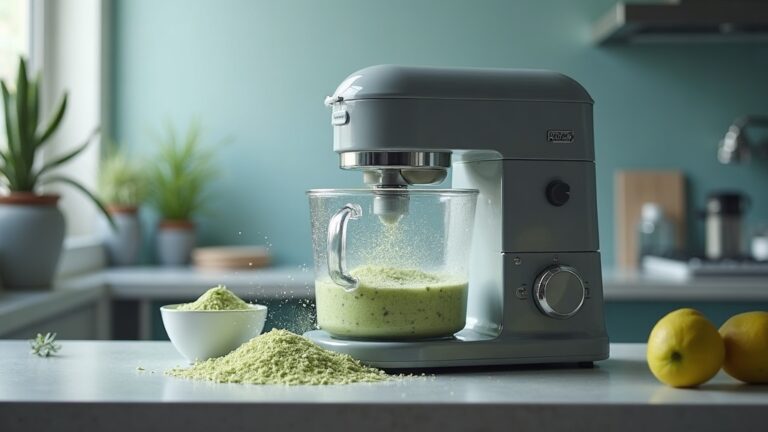
High-shear mixing relies on intense mechanical forces to completely disperse cement particles within a liquid medium. Unlike traditional paddle mixers that merely fold ingredients together, advanced equipment applies extreme mechanical stress to the mixture. As noted by industry experts, “A colloidal grout mixer uses a high-speed rotor-stator mill to apply intense shear energy to the cement-water slurry, breaking up particle agglomerates” (AMIX Systems, 2026)[1]. This process ensures that every cement particle is individually wetted and separated, which is crucial for achieving a homogenous cement-based grout.
The core of this technology lies in the narrow gap between the rotating element and the stationary stator. As the slurry is forced through this tight space at high velocities, it experiences severe hydraulic and mechanical shear. This vortex action effectively eliminates dry clumps and ensures complete hydration of the cement particles. The resulting mixture exhibits significantly improved fluidity and stability, which are essential for demanding geotechnical engineering applications.
When evaluating a colloidal grout mixing guide, understanding this mechanical distinction is paramount. Standard mixers often leave micro-agglomerates intact, leading to weaker structural performance and increased permeability in the final cured product. By utilizing a true high-shear system, contractors can achieve a denser, more impermeable matrix. This is particularly important in ground improvement projects where the grout must penetrate fine soil fissures without clogging. The intense energy input guarantees that the slurry remains uniform from the moment it leaves the mixer until it is pumped into the subsurface.
Performance Benefits in Geotechnical Applications
The superior stability of colloidal mixes directly translates to enhanced performance in challenging subsurface environments. When grout is injected into soil or rock formations, it frequently encounters groundwater and varying pressure conditions. A well-mixed slurry resists washout and prevents contamination with groundwater, ensuring the structural integrity of the foundation repair or soil stabilization effort. According to technical literature, “The high-shear colloidal mixer is generally recognized as the most efficient method of mixing cement-based grouts” (SIMEM Underground Mining Group, 2024)[2].
One of the primary advantages of this stability is the reduction of sand segregation during transport and placement. In conventional mixes, heavier aggregates tend to settle at the bottom of the pump lines or boreholes, causing blockages and uneven curing. The intense shearing action keeps all solid particles in suspension, creating a cohesive fluid that behaves predictably under pressure. This characteristic makes the grout stable and fluid enough for long-distance pumping, a critical requirement for large-scale mining and civil infrastructure projects.
Furthermore, the uniform particle distribution enhances the overall strength and durability of the cured grout. Because the cement particles are fully dispersed, the hydration process occurs more evenly, resulting in a stronger matrix with lower permeability. This is especially beneficial in environments prone to chemical attack or freeze-thaw cycles. For professionals seeking a comprehensive guide to colloidal grout mixers, recognizing these performance benefits is key to specifying the right equipment for projects where failure is not an option. The ability to maintain a consistent mix over extended pumping distances ultimately saves time and reduces material waste on the job site.
Equipment Selection and colloidalgroutmixer guide Insights
Not all mixing equipment labeled as high-shear delivers the same level of particle dispersion and slurry stability. The market offers various construction equipment options, but discerning the mechanical differences is vital for optimal results. Industry manufacturers emphasize that “All colloidal grout mixers are not alike. The Colcrete mixer utilizes a ‘true’ colloidal mill that shears the cement particles” (Colcrete Ltd, 2026)[3]. This distinction highlights the importance of selecting machinery that genuinely employs a rotor-stator design rather than relying on high-speed impellers or standard centrifugal pumps.
When reviewing a colloidal mixer guide, buyers should scrutinize the internal geometry of the mixing chamber. A true colloidal mill features precisely machined clearances that force the slurry through intense shear zones multiple times before discharge. In contrast, modified paddle mixers or standard vortex mixers might increase the rotational speed but fail to generate the necessary mechanical stress to break apart microscopic agglomerates. This lack of true shearing can result in a grainy texture and compromised structural performance.
To make an informed decision, contractors should request performance data demonstrating the equipment’s ability to maintain suspension over time. Evaluating the machine’s power consumption relative to its output volume also provides insight into its efficiency. For more detailed specifications and operational parameters, reviewing a detailed sample page from equipment suppliers can clarify the exact capabilities of different models. Investing in a genuine high-shear system ensures that the grout meets the stringent requirements of modern geotechnical engineering and mining operations, ultimately protecting the integrity of the entire project.
Operational Best Practices and Maintenance
Proper operation and routine maintenance are essential to maximize the lifespan and efficiency of high-shear mixing equipment. Even the most advanced slurry mixing machinery will underperform if operated incorrectly or neglected. A fundamental rule in grout injection is adhering to recommended mixing durations to ensure complete particle dispersion. Technical overviews indicate that grouts should be mixed in a colloidal mill mixer for a period of not less than 2 minutes (Geosystems, LP, 2026)[4]. Rushing this process compromises the stability and fluidity of the final product.
Implementing the colloidalgroutmixer guide Protocols
Implementing operational protocols also involves strict attention to the sequencing of ingredients. Water should typically be added first, followed by cement and any specialized additives, to prevent dry material from packing into the stator gaps. Operators must monitor the amperage draw on the motor to ensure the machine is not overloading, which can indicate a blockage or an overly viscous mix.
Maintenance is equally critical, particularly regarding the cleaning of the rotor-stator assembly. Cement-based grouts can harden rapidly inside the tight clearances of the mill, leading to severe damage if not flushed immediately after use. Regular inspection of the wear parts, such as the rotor tips and stator rings, ensures that the shear gap remains within factory specifications. For additional operational insights and troubleshooting advice, reading a comprehensive hello world post on basic grout equipment care can help new technicians avoid common pitfalls. By combining rigorous operational standards with proactive maintenance, teams can ensure consistent mix quality and extend the service life of their valuable construction equipment.
Questions from Our Readers
What is the main difference between a colloidal mixer and a standard paddle mixer?
How long should grout be mixed in a colloidal mill?
Can colloidal mixers handle long-distance pumping requirements?
What maintenance is required for the rotor-stator assembly?
Comparing Mixing Technologies
Selecting the right equipment requires understanding how different mixing technologies impact grout quality and project efficiency. While standard mixers are adequate for simple tasks, demanding geotechnical projects require superior particle dispersion. This colloidalgroutmixer guide comparison clearly outlines the mechanical differences.
| Mixing Technology | Shear Mechanism | Particle Dispersion | Best Application |
|---|---|---|---|
| Paddle Mixer | Low-speed folding | Poor; leaves agglomerates | Basic non-structural fills |
| Centrifugal Pump | Moderate hydraulic shear | Fair; limited mechanical stress | High-volume, low-spec slurry |
| Colloidal Mill | High-speed rotor-stator | Excellent; breaks all clusters | Critical foundation repair and mining |
The comparison clearly shows that true high-shear systems outperform conventional methods in achieving the stability required for complex ground improvement and long-distance pumping tasks.
Practical Tips for Optimal Slurry Mixing
Achieving the best results with high-shear equipment involves careful attention to material sequencing and operational monitoring. First, always introduce water into the mixer before adding dry cement or aggregates. This prevents dry material from packing into the narrow stator clearances and reduces the risk of motor overload. Second, monitor the motor’s amperage draw continuously during the mixing cycle; a sudden spike indicates excessive viscosity or a potential blockage that requires immediate attention.
Third, utilize specialized additives designed for high-shear environments to further enhance washout resistance and fluidity. Modern construction trends increasingly favor these advanced admixtures to optimize performance in challenging groundwater conditions. For deeper insights into material science and grout formulation, consulting the comprehensive grouting technical resources provided by the Federal Highway Administration can significantly improve your project specifications. Finally, ensure that your pumping equipment is matched to the mixer’s output rate to prevent the slurry from sitting idle and beginning to flash-set in the agitation tank. By integrating these practical strategies, contractors can maximize the efficiency and structural reliability of their grout injection operations.
Before You Go
Mastering the principles of high-shear mixing is essential for delivering durable and reliable subsurface structures. This colloidalgroutmixer guide has highlighted the critical role of rotor-stator mechanics in achieving superior particle dispersion, washout resistance, and long-distance pumping stability. By selecting true high-shear equipment and adhering to strict operational protocols, construction and mining professionals can significantly elevate the quality of their ground improvement projects. To continue expanding your knowledge of advanced slurry mixing techniques and equipment maintenance, explore more detailed articles and technical resources available on concretegrout.com.
Learn More
- Construction Grout Mixer: Complete Selection Guide. AMIX Systems.
https://amixsystems.com/construction-grout-mixer/ - The Development of Colloidal Mixer Based CRF Systems. SIMEM Underground Mining Group.
https://simemug.com/wp-content/uploads/Development-of-Colloidal-Mixer-Based-CRF-Systems.pdf - Mixing & Pumping Equipment – Products. Colcrete Ltd.
https://colcreteltd.com/products/ - Equipment for Cement Grouting: An Overview. Geosystems, LP.
https://www.geosystemsbruce.com/v20/biblio/z155%20Equipment%20for%20Cement%20Grouting%20-%20An%20Overview.pdf
For more about Colloidalgroutmixer guide, see Colloidalgroutmixer Guide.