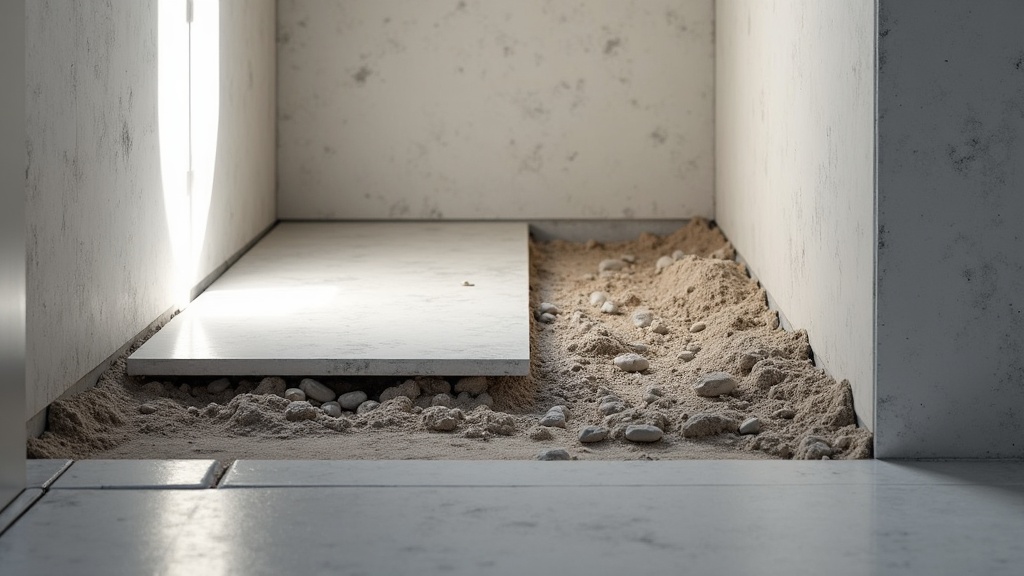
Discover our comprehensive backfillgrouting guide for tunnel and borehole projects. Learn best practices, material ratios, and structural stabilization methods.
Table of Contents
- Article Snapshot
- Market Snapshot
- Introduction
- Tunnel Linings and Annulus Voids
- Borehole Sealing and Environmental Protection
- Material Ratios and Injection Pressures
- Quality Control and Structural Verification
- Questions from Our Readers
- Methodology Comparison
- Practical Tips
- The Bottom Line
- Further Reading
Article Snapshot
A backfillgrouting guide is a comprehensive framework for stabilizing underground voids and tunnel linings using specialized cement mixtures. This overview covers essential material ratios, injection pressures, and safety protocols required for successful geotechnical engineering and ground stabilization projects.
Market Snapshot
- Recommended drill-hole diameter for tunnel arch procedures is 50 mm (Jines, 2024)[1].
- Standard spacing for grouting holes along the tunnel arch is 3.0 m (Jines, 2024)[1].
- Target grouting pressure for stopping grout and maintaining pressure is 200 kPa (Jines, 2024)[1].
- Minimum depth below pavement structure for backfilling borings is 6 inches (Texas Department of Transportation, 2025)[2].
Introduction to Subsurface Stabilization
The principles of a backfillgrouting guide are essential for modern underground construction and geotechnical engineering. When excavating beneath the surface, maintaining structural integrity and preventing ground collapse are paramount. This process involves injecting specialized mixtures into voids to provide immediate structural support and long-term soil mechanics stability. In this article, we will explore the fundamental procedures, material selections, and safety protocols that define a successful backfillgrouting guide. From tunnel boring machine operations to simple borehole sealing, understanding these backfill grout procedures ensures environmental safety and structural durability. We will also examine how industry standards dictate water-cement ratios and injection pressures to achieve optimal results in diverse ground conditions.
Tunnel Linings and Annulus Voids
Tunnel linings require immediate and precise void filling to maintain structural support during underground construction. When a tunnel boring machine advances through the earth, it inevitably creates a gap between the newly installed segmental lining and the surrounding soil. Annulus grout plays a vital role, filling the void between a tunnel’s segmental lining and the soil that a tunnel boring machine creates while passing through the ground, minimizing surface settlements as well as over-excavation (Master Builders Solutions, 2024)[3]. This immediate backfilling prevents the ground from relaxing and collapsing onto the tunnel structure.
To achieve this, engineers frequently utilize a two-component grout system that sets rapidly upon injection. This backfillgrouting guide approach ensures that the tunnel segments are locked in place before the machine thrusts forward again. Proper application of these backfilling grout instructions prevents the segmental lining from shifting or floating due to groundwater pressure. For those looking to review specific material formulations, our comprehensive concrete grout sample page provides detailed mix designs tailored for these high-demand environments. The primary objective remains consistent: eliminate the annulus void completely to transfer ground loads evenly across the tunnel lining. By adhering to strict backfillgrouting guide protocols, construction teams mitigate the risk of catastrophic surface subsidence above the tunnel alignment.
Borehole Sealing and Environmental Protection
Borehole sealing is a critical environmental safeguard that prevents cross-contamination between distinct underground water sources. During geotechnical investigations, drilling creates direct pathways that can compromise natural aquitards. To mitigate this risk, technicians must fill or plug drill holes using bentonite pellets or cement bentonite grout to prevent injury to livestock or people in the area and to minimize the entry of surface water into the borehole (Texas Department of Transportation, 2025)[2]. This fundamental practice protects both surface ecosystems and subterranean water reserves.
When dealing with sensitive hydrogeological conditions, the standard backfillgrouting guide dictates more rigorous sealing methods. If surface contamination of lower aquifers or cross-contamination is a concern, grout the hole with cement bentonite grout using the tremie method (Texas Department of Transportation, 2025)[2]. The tremie method ensures that the grout is placed from the bottom of the borehole upward, displacing any standing water and preventing the segregation of the cementitious materials. This backfillgrouting guide approach is vital for maintaining the integrity of the pavement structure above, as improperly sealed borings can lead to localized sinkholes. Furthermore, regulatory frameworks mandate that the seal extends to a minimum depth below the pavement structure to ensure surface runoff cannot infiltrate the bore. Implementing these backfill grout procedures guarantees that exploratory drilling leaves no lasting negative impact on the local hydrology.
Material Ratios and Injection Pressures
Material ratios and injection pressures dictate the ultimate success and longevity of any ground stabilization effort. The fluidity and final strength of the injected mass depend entirely on the precise calibration of the water-cement ratio. For fine cracks in tunnel lining and rock layers, an initial cement grout water-cement ratio of 0.6 is typically utilized (Jines, 2024)[1]. However, field conditions rarely remain static, requiring engineers to adapt their mixes dynamically. The permitted water-cement ratio adjustment range spans from 0.4 to 2.0, depending on real-time injection pressure and specific leakage conditions encountered during the operation (Jines, 2024)[1].
Optimizing the Backfillgrouting Guide Parameters
Monitoring the injection pressure is equally crucial to prevent fracturing the surrounding rock mass or damaging the tunnel segments. The target grouting pressure for stopping grout and maintaining pressure in the tunnel arch procedure is strictly set at 200 kPa (Jines, 2024)[1]. Once this pressure is achieved, operators must monitor the flow rate to confirm that the void is entirely filled. A flow threshold of 5 liters per minute serves as the standard stop condition during grouting maintenance, indicating that the formation is refusing further material (Jines, 2024)[1]. For deeper insights into these technical specifications, professionals frequently consult the international tunnel backfilling guidelines published by leading underground space associations (International Tunnelling and Underground Space Association, 2024)[4]. Adhering to these precise metrics ensures that the backfillgrouting guide is executed safely and effectively, preventing both under-grouting and dangerous over-pressurization.
Quality Control and Structural Verification
Quality control and structural verification ensure that the injected materials have achieved their intended design properties and spatial distribution. Injecting grout blindly without subsequent verification can leave hidden voids that compromise the overall soil mechanics of the site. Engineers employ various non-destructive testing methods, such as ground-penetrating radar and cross-hole sonic logging, to confirm the completeness of the void filling process. These techniques allow teams to map the subsurface and identify any areas where the annulus grout or cement bentonite failed to penetrate fully.
A rigorous backfillgrouting guide mandates that verification occurs immediately following the completion of each injection phase. If anomalies are detected, secondary injection ports are utilized to perform targeted touch-up grouting. This iterative process is a cornerstone of reliable ground stabilization, ensuring that the structural support provided by the grout mass meets the stringent demands of the overlying infrastructure. For newcomers to the field seeking foundational knowledge on these verification techniques, our introductory hello world grouting guide offers an excellent starting point for understanding basic quality assurance protocols. Ultimately, the integration of real-time pressure monitoring with post-injection geophysical surveys creates a comprehensive backfillgrouting guide that guarantees long-term performance. By strictly following these backfilling grout instructions, project managers can confidently certify that the subsurface conditions have been successfully remediated and stabilized.
Questions from Our Readers
What is the primary purpose of annulus grout in tunneling?
How do engineers determine the correct water-cement ratio?
Why is the tremie method used for borehole backfilling?
What indicates that a grouting operation is complete?
Methodology Comparison
Selecting the appropriate injection methodology depends heavily on the specific geotechnical requirements and environmental constraints of the project. Different approaches offer distinct advantages regarding set time, structural strength, and environmental safety.
| Approach | Primary Application | Key Advantage |
|---|---|---|
| Two-Component Grout | Tunnel segmental lining | Rapid set time prevents segment floating |
| Cement Bentonite Tremie | Deep borehole sealing | Prevents aquifer cross-contamination |
| Pure Cement Injection | Rock fracture stabilization | High compressive structural support |
| Bentonite Pellets | Shallow drill hole plugging | Simple deployment for surface safety |
Practical Tips for Field Execution
Implementing effective ground stabilization requires strict adherence to proven field practices and continuous equipment calibration. Always flush injection lines with water before and after pumping cementitious mixtures to prevent blockages that could halt operations mid-stage. When working with two-component grout systems, meticulously monitor the ambient temperature, as extreme heat or cold can drastically alter the reaction time and compromise the void filling process.
Furthermore, maintain detailed logs of every injection point, recording the exact volume, pressure, and water-cement ratio used. This data is invaluable for post-injection analysis and future maintenance. Regularly inspect the tremie pipes and packers for wear, as degraded equipment can lead to grout bypass and incomplete seals. Finally, stay updated on advancements in geotechnical engineering, such as the integration of real-time fiber-optic strain sensors within the grout mass, which provide continuous feedback on structural support performance long after the initial backfillgrouting guide protocols have been completed.
The Bottom Line
Mastering the principles outlined in a comprehensive backfillgrouting guide is essential for ensuring the safety and longevity of underground infrastructure. From stabilizing tunnel linings to protecting vital aquifers, precise material ratios and rigorous injection protocols form the backbone of successful geotechnical projects. By adhering to industry standards and continuously monitoring field conditions, engineers can mitigate subsurface risks effectively. To explore more advanced techniques and detailed material specifications, visit the extensive resources available on concretegrout.com for your next construction endeavor.
Further Reading
- Backfill grouting between old tunnel inverts and rock mass. Jines.
https://www.jines.com/en/backfill-grouting-between-old-tunnel-inverts-and-rock-mass/ - Borehole Backfilling. Texas Department of Transportation.
https://www.txdot.gov/manuals/brg/geo_lrfd/chapter-3/post-drilling-/borehole-backfilling.html - Performance of Two-Component Back-filling Grout in TBM. Master Builders Solutions.
https://blog.master-builders-solutions.com/en/two-component-back-filling-grout - Guidelines on best practices for segment backfilling. International Tunnelling and Underground Space Association (ITA-AITES).
https://about.ita-aites.org/wg-committees/itatech/publications/1045/guidelines-on-best-practices-for-segment-backfilling
For more about Backfillgrouting guide, see Backfillgrouting Guide.