Read our comprehensive colloidal grout mixer guide to understand high shear technology, cement dispersion, and how to select the right grouting equipment.
Table of Contents
- Introduction
- Understanding High Shear Technology
- Performance and Strength Benefits
- Selecting the Right Equipment
- Operational Best Practices
- Your Most Common Questions
- Comparison
- Practical Tips
Key Takeaway
This colloidalgroutmixer guide is a comprehensive resource detailing high-shear mixing technology for cement slurries. It explains how rotor-stator mills disperse particles to reduce bleed, increase compressive strength, and ensure stable suspension for demanding construction and geotechnical grouting applications.
Colloidal Grout Mixer Guide in Context
- Typical rotor speeds range from 2,000 to 4,000 revolutions per minute to generate necessary high shear (Amix Systems, 2024)[1].
- Colloidally mixed grout reduces bleed to typically less than 2 percent, compared to 5–10% for conventional methods (Simem Underground, 2020)[2].
- Mixes achieve compressive strengths approximately 15–25 percent higher than comparable paddle-mixed batches (Simem Underground, 2020)[2].
- High shear systems can pump stable grout distances in excess of 300 feet on drilling projects (PennDrill Manufacturing, 2024)[3].
Introduction

This colloidal grout mixer guide provides essential insights into modern grouting technology. When constructing dams, tunnels, or stabilizing rock formations, the quality of the cement slurry dictates the structural integrity of the final project. Traditional paddle mixers often leave particle agglomerates intact, leading to segregation and weak points. High shear technology solves this by thoroughly breaking down cement particles.
This grout mixer guide explores the mechanics of rotor-stator mills, the measurable performance benefits of colloidally mixed grouts, and how to select the right machinery for specific water-cement ratios. Whether you are managing a high-volume geotechnical operation or a small-scale drilling task, understanding these principles ensures optimal dispersion and suspension. We will also cover operational best practices to help you maximize equipment lifespan and grout consistency on the job site.
Understanding High Shear Technology
Core Principles of the Colloidal Grout Mixer
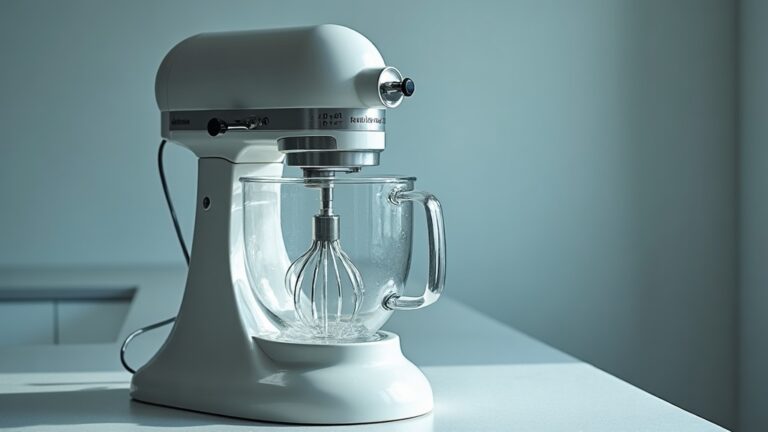
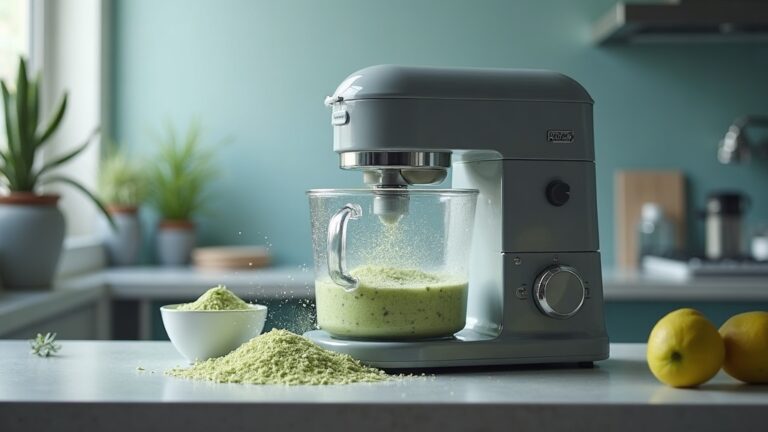
The core mechanism of a true colloidal mixer relies on intense shear energy to fully disperse cement particles. Unlike standard equipment that merely stirs the ingredients, a high-shear colloidal mixer uses a high-speed rotor–stator mill to apply intense shear energy to the cement–water slurry, breaking up particle agglomerates and creating a highly uniform, thoroughly mixed grout (Amix Systems, 2024)[1]. This mechanical action is critical for achieving a homogenized mixture.
According to Clive Derbyshire, Technical Director at Colcrete Ltd, “The high shear action of a true colloidal mixer is essential to fully disperse the cement particles, producing a grout that is more stable, has higher strength and reduced bleed compared with conventional mixing methods” (Colcrete Ltd, 2023)[4]. The rapid rotation, typically between 2,000 and 4,000 revolutions per minute, forces the slurry through narrow gaps, effectively milling the cement.
This process ensures that every cement grain is individually wetted, which prevents the formation of dry lumps. When planning a project, consulting a detailed colloidalgroutmixer guide helps contractors understand why this level of dispersion is necessary for deep fissure penetration. The resulting fluid maintains a stable suspension, meaning the solid particles do not settle out during pumping or placement. For further insights into mixing methodologies, you can review our comprehensive grout mixing sample page to see how different slurry types behave under pressure. The thorough wetting of particles also accelerates the hydration process once the grout is placed, ensuring structural reliability.
Performance and Strength Benefits
Utilizing high shear technology yields measurable improvements in both the fluid properties and the final cured strength of the grout. The most significant advantage is the drastic reduction in bleed water. Colloidal mixers can reduce cement grout bleed to typically less than 2% compared with bleed levels of 5–10% often reported for conventional paddle-mixed grouts (Simem Underground, 2020)[2]. Bleed water creates weak channels and reduces the effective volume of the grout, so minimizing it is crucial for structural integrity.
Furthermore, the enhanced particle dispersion directly translates to superior mechanical properties. In cemented rockfill applications cited by Simem Underground, colloidally mixed grouts were reported to achieve compressive strengths approximately 15–25% higher than comparable mixes produced in paddle mixers (Simem Underground, 2020)[2]. This increase in strength allows engineers to optimize their mix designs, potentially reducing the total amount of cement required while maintaining the specified structural parameters.
High shear technology produces a grout that resists segregation and maintains suspension, allowing it to be pumped over longer distances and into tighter fissures (PennDrill Manufacturing, 2024)[3]. This pumpability is vital for large-scale infrastructure projects like dam remediation or deep tunnel sealing. A well-researched colloidal grout mixer guide will always highlight these performance metrics, as they dictate the feasibility of pumping stable slurries over hundreds of feet without the risk of blockages. For authoritative standards on geotechnical applications, refer to the geotechnical engineering standards and resources provided by industry institutions.
Selecting the Right Equipment
Choosing the appropriate machinery requires matching the equipment capabilities to the specific demands of the job site. The high-shear colloidal mixer is generally recognized as the most efficient method of mixing cement-based grouts, producing a superior quality product compared to traditional paddle mixers (Simem Underground, 2020)[2]. However, not all projects require the largest available units. Sizing the equipment correctly prevents unnecessary capital expenditure and operational inefficiencies.
Contractors must evaluate their typical daily output requirements. Quikspray’s guidance notes that contractors should size mixers based on their typical daily output, which for many small to mid-size jobs falls in the 2–5 cubic yard per day range (Quikspray Inc., 2024)[5]. For these smaller operations, a compact colloidal unit is sufficient. Conversely, high-volume dam and tunnel grouting projects demand larger plants capable of continuous production.
When you’re selecting a grout mixer, buy for your everyday work, not just your dream projects – the right mixer is the one that consistently handles your typical materials and site conditions without breaking down (Quikspray Inc., 2024)[5]. It is also essential to consider the water-to-cement ratio. High-shear colloidal grout mixers are typically selected for water-cement ratios ranging from 0.4 to 0.7 in construction grouting applications (Amix Systems, 2024)[1]. Reading a thorough colloidal grout mixer guide helps buyers navigate these specifications. For more general equipment advice, check out our latest updates on concrete grouting to stay informed about industry standards. Evaluating the power source is another critical factor for remote sites.
Operational Best Practices
Operating high shear equipment correctly is just as important as selecting the right machine. Proper sequencing of materials and adherence to mixing times ensure the slurry reaches its full potential. The Geosystems overview on cement grouting equipment notes that grout mixed in a colloidal mill is typically mixed for not less than 2 minutes to achieve a fully homogenized slurry (Geosystems LP, 2010)[6]. Rushing this process compromises the dispersion of the cement particles.
The sequence of adding ingredients also plays a vital role. Water should generally be added to the mixing tank first, followed by the cement. This prevents the cement from sticking to the bottom of the tank and forming unmixable clumps. Once the materials are introduced, the high-speed rotor must be engaged immediately to begin the shearing process. Monitoring the amperage or hydraulic pressure of the drive motor can help operators determine when the slurry has reached the desired consistency.
Maintenance is another cornerstone of operational success. The intense abrasion caused by milling cement particles wears down the rotor and stator components over time. Regular inspection and timely replacement of these wear parts are essential to maintain the high shear action. A reliable colloidal grout mixer guide will emphasize the importance of keeping spare wear parts on site to minimize downtime. Additionally, flushing the system with clean water immediately after use prevents the grout from setting inside the pump and mixer, which could cause severe damage and costly repairs.
Your Most Common Questions
What is the main difference between a colloidal mixer and a paddle mixer?
A paddle mixer relies on low-speed agitation to blend ingredients, which often leaves cement agglomerates intact and results in higher bleed water. In contrast, a colloidal mixer uses a high-speed rotor-stator mill to apply intense shear energy. This mechanical action completely breaks down particle clusters, ensuring every cement grain is individually wetted. The result is a highly uniform, stable slurry with significantly reduced bleed and higher compressive strength, making it superior for demanding geotechnical and structural grouting applications.
How long should grout be mixed in a colloidal mill?
To achieve a fully homogenized slurry, grout mixed in a colloidal mill should typically be mixed for not less than two minutes. This duration allows the high-speed rotor to adequately process the cement and water, ensuring complete dispersion of the particles. Rushing the mixing cycle can lead to incomplete wetting and the formation of dry lumps, which compromises the structural integrity and pumpability of the final grout. Operators should always follow the specific time recommendations provided by the equipment manufacturer.
Can colloidal mixers handle low water-cement ratios?
Yes, high-shear colloidal grout mixers are specifically designed to handle a wide range of mix designs, including lower water-cement ratios. They are typically selected for water-cement ratios ranging from 0.4 to 0.7 in construction applications. The intense shear energy generated by the rotor-stator mill is actually more effective at wetting cement particles in thicker, low-water slurries than conventional mixers. This capability allows contractors to produce high-strength, low-bleed grouts without sacrificing the fluidity required for pumping into tight fissures.
What maintenance is required for high shear mixing equipment?
The primary maintenance requirement for high shear equipment is managing the wear on the rotor and stator components. Because the mixer mills hard cement particles at high speeds, these parts experience significant abrasion. Regular visual inspections and measuring the clearance between the rotor and stator are essential. When the clearance exceeds the manufacturer’s tolerances, the parts must be replaced to maintain the necessary shear energy. Additionally, flushing the entire system with clean water immediately after use prevents grout from hardening inside the machinery.
Comparison of Grout Mixing Methods
Selecting the optimal mixing method depends on the specific performance requirements of the project. While traditional methods suffice for basic tasks, advanced applications demand superior particle dispersion and stability. The following table, summarized from this colloidal grout mixer guide, contrasts the primary approaches used in modern construction.
| Feature | Colloidal Mixer | Paddle Mixer |
|---|---|---|
| Mixing Action | High shear rotor-stator milling | Low-speed mechanical agitation |
| Particle Dispersion | Complete breakdown of agglomerates | Partial dispersion, lumps possible |
| Bleed Water | Typically less than 2% | Often 5–10% |
| Pumpability | Excellent over long distances | Prone to segregation in lines |
Practical Tips for Grouting Success
Achieving consistent results on the job site requires attention to detail and adherence to proven methodologies. First, always sequence your materials correctly by adding water to the tank before introducing the cement. This simple step prevents dry clumps from forming at the bottom of the mixer, ensuring a smoother blending process.
Second, monitor your mixing times rigorously. While high shear action is powerful, it still requires adequate time to fully wet every particle. Never cut the mixing cycle short to save a few minutes, as this directly compromises the grout’s final strength and stability.
Third, keep a close eye on your wear parts. The rotor and stator are the heart of the machine, and their degradation is gradual. Establish a routine inspection schedule based on the volume of cement processed, and always keep a spare set on site to avoid costly project delays. Finally, flush the system thoroughly with clean water at the end of every shift. Preventing cured grout from building up inside the pump and mixer is the most effective way to extend the lifespan of your equipment and maintain peak operational efficiency.
Final Thoughts on the Colloidal Grout Mixer Guide
Mastering the use of high shear technology transforms the quality and reliability of your grouting operations. By ensuring complete particle dispersion and minimizing bleed, you create structures that stand the test of time. We hope this colloidalgroutmixer guide has provided the technical clarity needed to make informed equipment and operational decisions. For more in-depth tutorials and industry insights, continue to explore the extensive resources available on concretegrout.com to elevate your next construction project.
Useful Resources
- Construction Grout Mixer: Complete Selection Guide. Amix Systems.
https://amixsystems.com/construction-grout-mixer/ - The Development of Colloidal Mixer Based CRF Systems. Simem Underground.
https://simemug.com/wp-content/uploads/Development-of-Colloidal-Mixer-Based-CRF-Systems.pdf - What is High Shear Colloidal Mixer Technology? PennDrill Manufacturing.
https://penndrill.com/what-is-high-shear-colloidal-mixer-technology/ - Mixing & Pumping Equipment – Colloidal Grout Mixers Overview. Colcrete Ltd.
https://colcreteltd.com/products/ - How to Choose the Right Grout Mixer for Your Project. Quikspray Inc.
https://quikspray.com/how-to-choose-the-right-grout-mixer-for-your-project/ - Equipment for Cement Grouting – An Overview. Geosystems LP.
https://www.geosystemsbruce.com/v20/biblio/z155%20Equipment%20for%20Cement%20Grouting%20-%20An%20Overview.pdf
For more about Colloidalgroutmixer guide, see Colloidalgroutmixer Guide.